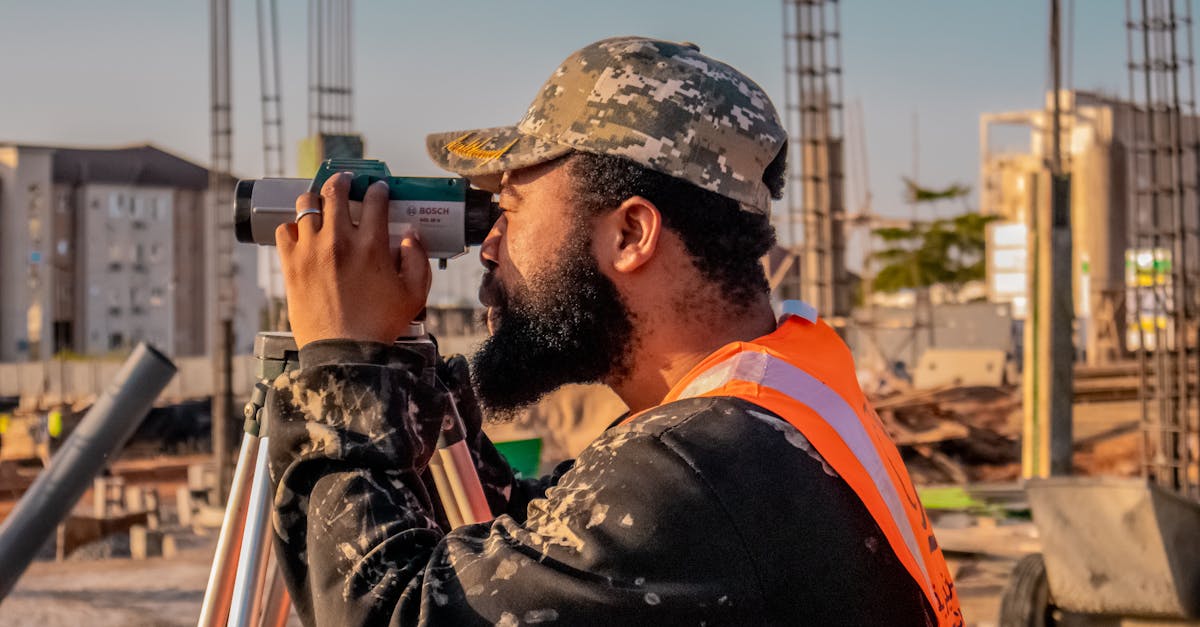
The Advantages of Using Total Stations for Accurate Measurements
Table Of Contents
Improved Safety on Job Sites
The integration of total stations into construction and surveying projects significantly enhances safety on job sites. These advanced measurement tools eliminate the need for manual measurements in potentially hazardous areas. Accuracy is improved, which reduces the likelihood of accidents caused by misinformation or miscalculation. This technological advancement allows workers to maintain a safer distance from heavy machinery and unstable terrain, decreasing exposure to risks.
Additionally, total stations facilitate better site management, enabling clear communication of measurement data among team members. When everyone operates with consistent and precise information, it fosters an environment where errors are minimised. Enhanced visibility of project data contributes to timely decision-making, ultimately leading to a safer work environment. Implementing these tools represents a proactive approach to risk management in construction and surveying projects.
Reducing Risks with Advanced Measurement Tools
Total stations play a vital role in enhancing the safety of construction and surveying sites. These instruments provide precise measurements that help identify potential hazards. By using advanced technology, operators can ensure that projects are executed with fewer human errors. This accuracy reduces the likelihood of mistakes that could lead to accidents on the job site.
The integration of total stations into workflow enables teams to work more efficiently. With clearer visual representations of physical spaces, the chances of miscalculating distances or angles are significantly lowered. Enhanced measurement capabilities contribute not just to safety but also to the timely completion of projects. Workers can navigate these sites with greater confidence, knowing that the information they rely upon is accurate and up to standard.
Cost-Effectiveness in Long-Term Projects
Implementing total stations in long-term projects leads to significant cost savings over time. These devices enhance efficiency by streamlining the measurement process, reducing the need for rework caused by inaccuracies. This efficiency translates into less time spent on-site, ultimately lowering labour costs. As projects reach completion more swiftly, there is a notable decrease in overall expenditures associated with protracted timelines.
Furthermore, the precise measurements provided by total stations minimise material waste. By ensuring that dimensions are accurately captured, unnecessary purchases or excess materials can be avoided. This accuracy not only contributes to financial savings but also promotes sustainable practices by reducing the environmental impact of construction processes. Over the course of a long-term project, these advantages can lead to substantial savings and improved budgeting outcomes.
Minimising Errors to Save Resources
Total stations play a crucial role in reducing measurement errors across a range of applications. Their ability to combine digital technology with traditional surveying methods ensures a higher level of precision. The automated features of total stations decrease human error, which is often a significant factor in measurement inaccuracies. With less room for mistakes, project teams can trust the data collected, allowing them to make informed decisions quickly.
When errors occur, they often lead to costly rework and material waste. By using total stations, organisations can streamline their projects, optimising the use of time and resources. The accurate data generated helps in planning and execution, mitigating the risk of unexpected complications during construction. Investing in high-quality measurement tools translates into significant long-term savings by preventing the costs associated with rectifying errors and delays.
Real-Time Data Feedback
Collecting data in real-time significantly enhances the efficiency of project management. Total stations provide precise measurements immediately, allowing surveyors and construction teams to make informed decisions without delay. This rapid feedback loop eliminates potential issues early in the process, reducing the likelihood of costly errors and rework. In fast-paced environments, timely data can be the difference between project success and setbacks.
The capability to receive instant updates fosters better communication among team members. Stakeholders can access accurate information at any moment, facilitating collaborative discussions and timely adjustments to workflows. This transparency ensures that all parties are aligned with the project's progress and any emerging challenges, contributing to improved overall project outcomes.
Enhancing Decision Making Quickly
With the integration of total stations, professionals benefit from the capability to receive instant data feedback on-site. This immediacy allows teams to assess measurements and make adjustments as necessary, streamlining the overall workflow. Accurate readings can be viewed in real time, which considerably enhances the speed of decision-making processes. Such capability is particularly crucial in fast-paced environments, where delays can result in significant cost overruns.
The ability to evaluate data on the spot fosters collaboration among team members. When everyone has access to real-time information, discussions can be more focused and informed. This transparency cultivates an environment of trust, essential for complex projects demanding input from various stakeholders. Quick access to relevant data ultimately leads to more effective planning and execution, optimising project outcomes.
FAQS
What is a total station?
A total station is a surveying instrument that combines an electronic theodolite with an electronic distance measuring device (EDM). It is used for measuring angles and distances accurately, providing precise data for construction and surveying projects.
How do total stations improve safety on job sites?
Total stations enhance safety by reducing the need for manual measurements in hazardous areas. They allow operators to collect data from a safe distance, minimising the risk of accidents and ensuring a safer working environment.
Can total stations help reduce costs in long-term projects?
Yes, total stations can be very cost-effective for long-term projects. By minimising measurement errors and enhancing accuracy, they reduce the need for rework and material wastage, ultimately saving both time and money.
How does real-time data feedback from total stations benefit decision-making?
Real-time data feedback allows project managers and engineers to make immediate decisions based on the latest measurements. This responsiveness can improve project efficiency, as adjustments can be implemented on the spot, reducing delays.
Are total stations difficult to operate?
While total stations may have a learning curve, modern models often come with user-friendly interfaces and tutorials. With proper training, most users can effectively operate total stations to gather accurate measurements for their projects.
Related Links
Understanding the Mechanisms of Total Stations in Modern Land SurveyingTraining Requirements for Effectively Using Total Stations
Future Innovations in Total Station Technology for Surveying
Troubleshooting Common Issues with Total Station Devices
Integrating Total Stations with Survey Software for Enhanced Analysis
The Role of Total Stations in Elevation and Slope Measurements
Best Practices for Operating Total Stations in the Field